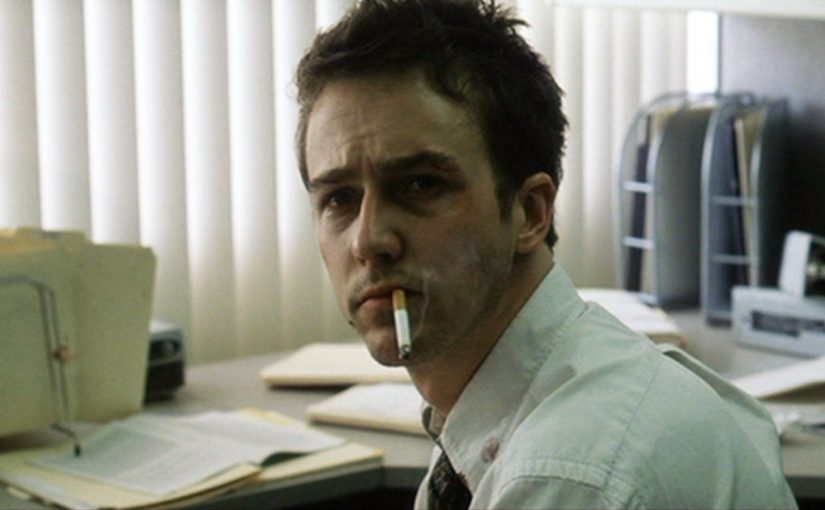
The plot:
Fight Club is a novel written by Chuck Palahniuk, first published in 1996, and later adapted into a movie directed by David Fincher in 1999. The story follows an unnamed protagonist who is struggling with insomnia and disillusionment with modern consumer culture. He attends support groups for various afflictions to feel a sense of relief but still feels disconnected from life.
The protagonist meets Tyler Durden, a charismatic and anarchistic soap salesman, and together they form an underground fight club. The club becomes a form of rebellion, where men fight each other to feel alive and regain a sense of power. The club grows, and its purpose evolves from personal release to something much more dangerous—creating chaos in society.
The story explores themes like masculinity, consumerism, self-destruction, and identity. It's known for its twist ending and philosophical undercurrents.
It's Impact:
Fight Club had a significant cultural impact, both when it was released and in the years since. While it was initially met with mixed reviews, it became a cult classic and is often discussed in the context of its deeper themes. Here's an overview of the impact it had on society:
1. Critique of Consumerism
One of the core themes of Fight Club is a critique of consumer culture. The protagonist's disillusionment with his mundane, consumer-driven life resonates with many people. The film questions the pursuit of material wealth and the hollow nature of consumerism. Its iconic line, “The things you own end up owning you,” captures the essence of this critique and sparked conversations about the role of possessions and the value of self-identity in an increasingly materialistic world.
This message spoke to a generation that was questioning the American Dream and the endless chase for status symbols, leading to broader discussions about finding personal fulfillment beyond material goods.
2. Masculinity and Identity
The movie explores modern masculinity, especially the way it has been shaped and distorted by societal expectations. The characters, particularly the protagonist and Tyler Durden, represent different aspects of masculinity—one being a disillusioned, domesticated individual, and the other a rebellious, ultra-masculine figure. This tension between the two versions of masculinity struck a chord with many viewers, particularly in the late '90s and early 2000s when there was a growing conversation about what it meant to be a man in contemporary society.
In a sense, Fight Club became emblematic of a backlash against emasculating forces in society, leading some men to embrace more extreme or nihilistic forms of masculinity. The idea of reclaiming "authentic" masculinity through violence or rebellion became an appealing concept for some, though the film itself critiques this notion.
3. Subversion of Traditional Values
The narrative of Fight Club subverts traditional societal values, including work, religion, and relationships. Tyler’s philosophies promote chaos as a path to liberation, rejecting conventional structures like employment, consumerism, and even personal identity. This anti-establishment sentiment resonated with younger audiences who felt alienated from mainstream societal structures and ideals.
The film’s portrayal of rebellion against the status quo inspired some to embrace more radical ways of thinking about life and society. Some viewers adopted the notion of rejecting traditional norms, even if they did not fully endorse the anarchistic extremes Tyler represents.
4. Rise of the "Fight Club" Culture
Though the movie doesn’t literally encourage starting underground fight clubs, there was a phenomenon where certain groups or individuals took the film’s concept too literally. In the years after its release, a small number of people actually formed real-life "Fight Clubs," inspired by the idea of men fighting as a form of emotional release or catharsis. However, these groups generally missed the deeper message of the film, which critiques the idea of violence as a solution to existential problems.
While Fight Club didn’t directly inspire widespread physical violence, it contributed to a broader cultural fascination with the idea of breaking societal norms and venting frustrations through extreme means.
5. Philosophical and Psychological Conversations
The film's twist ending and themes around identity and self-destruction led to a great deal of psychological analysis and debate. The exploration of the psyche, particularly the fractured mental state of the protagonist, sparked discussions about mental health and the consequences of repressed desires, trauma, and isolation.
The film made viewers question their own perceptions of reality, particularly the line between the protagonist's mind and the external world. This psychological complexity has led Fight Club to be studied in academic circles, with some analyzing it through lenses of psychoanalysis, existentialism, and philosophy.
6. The Legacy of Fight Club Quotes
Lines from the film, such as “I am Jack’s complete lack of surprise” and “This is your life, and it's ending one minute at a time,” have entered the lexicon and are frequently quoted in pop culture. The film's sharp, darkly comedic dialogue remains memorable and relevant, often evoked to comment on modern life's frustrations and absurdities.
7. Cultural Irony and Reclamation
Over time, some have noted an irony in how Fight Club became a part of mainstream culture, despite being a critique of it. The film’s anti-consumerist messages were co-opted by people who might have missed the broader critique. For instance, merchandise with Fight Club quotes and imagery became popular, an irony pointed out by critics who argue that the film’s anti-commercialism was ultimately absorbed into the very system it criticized.
8. Reinforced Countercultural Themes
In the long run, Fight Club has reinforced countercultural sentiments and provided a framework for thinking about rebellion against society's rules. Whether through discussions about the absurdity of life, critiques of corporate culture, or radical takes on masculinity, it’s continued to be a touchstone for those questioning the structure of modern life.
Conclusion:
Fight Club had a significant impact on society by encouraging critical conversations about consumerism, masculinity, identity, and the search for meaning in a disenchanted world. Though some took its themes to dangerous extremes, the movie remains relevant today for its dark, complex exploration of modern life and the pursuit of authenticity in a conformist society. It became more than just a film—it's a cultural touchstone that continues to shape how people think about rebellion, self-worth, and personal freedom.