Updated on March 8, 2026
Cultural Heritage Protection Day
🏛 Day 1- Cultural Heritage & Environmental Protection
Monday, February 23, 2026
Thematic Topic: Protection of cultural heritage from environmental risks and climate impact
The first day of the Eco Culture Lab Erasmus+ mobility was dedicated to exploring the relationship between cultural heritage, environmental protection and sustainability.
🎯 Objectives of the Day
The activities of the day aimed to help students:
- understand how cultural heritage sites are preserved and protected
- explore the environmental and climate-related risks that threaten historical monuments
- reflect on the connection between culture, history and sustainability
🏛 Educational Visit to the Acropolis
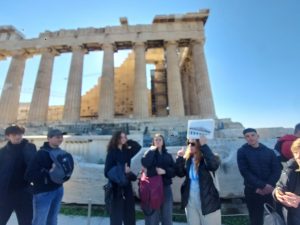
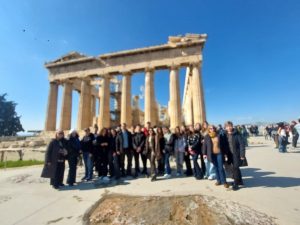
The day began with an educational visit to the Acropolis of Athens, one of the most important cultural heritage sites in the world.
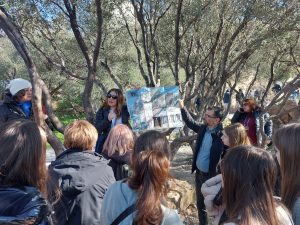
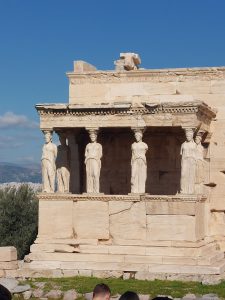
Students participated in a guided tour led by tourist guide Mrs. Papoutsaki, who introduced them to the major monuments of the Acropolis, including the Parthenon, the Erechtheion and the Propylaea.
Through the tour, students learned about the history of the monuments, their cultural significance and the challenges involved in protecting such important archaeological sites from environmental threats and climate impact.
🏺 Exploring the Acropolis Museum
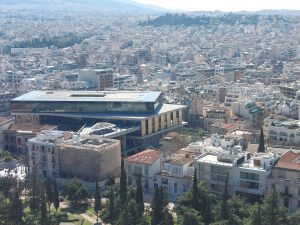
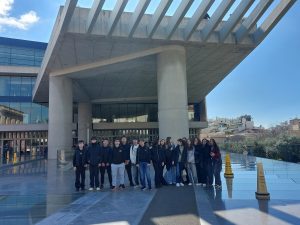
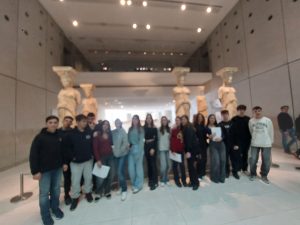
After visiting the archaeological site, students continued their learning experience at the Acropolis Museum, where they participated in a technology-enhanced pervasive game, created with Action Bound app titled:
“Guardians of Memory: Cultural Heritage under Threat”
The educational digital game was designed by Mrs. Politi and aimed to help students explore how cultural heritage can be studied, protected and preserved.
Using smartphones as learning tools, students moved through the different galleries of the museum while completing missions and challenges.
👥 Team Collaboration
Students were divided into four international teams, each consisting of: two girls (one Greek and one Romanian) and two boys (one Greek and one Romanian).
Students who stayed in the same host family were placed in the same team, which strengthened cooperation and communication. Each team represented a different professional role involved in the protection of cultural heritage:
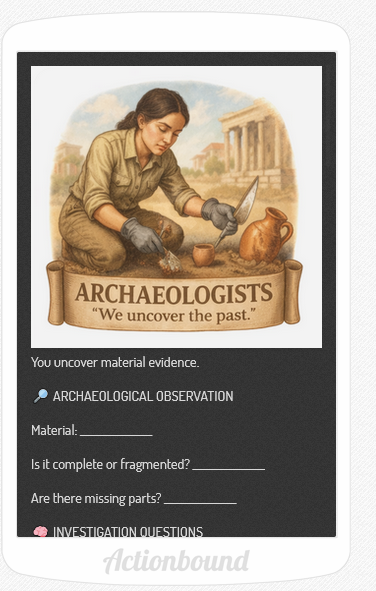
🏺 Archaeologists 
Their mission was to understand how artifacts were discovered and what they reveal about everyday life in ancient Athens.
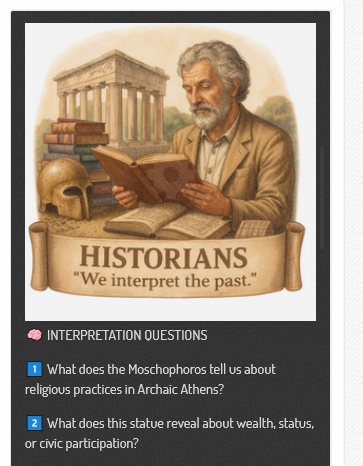
📜 Historians 
They explored how artifacts connect to the religious, political and social life of ancient Greek society.
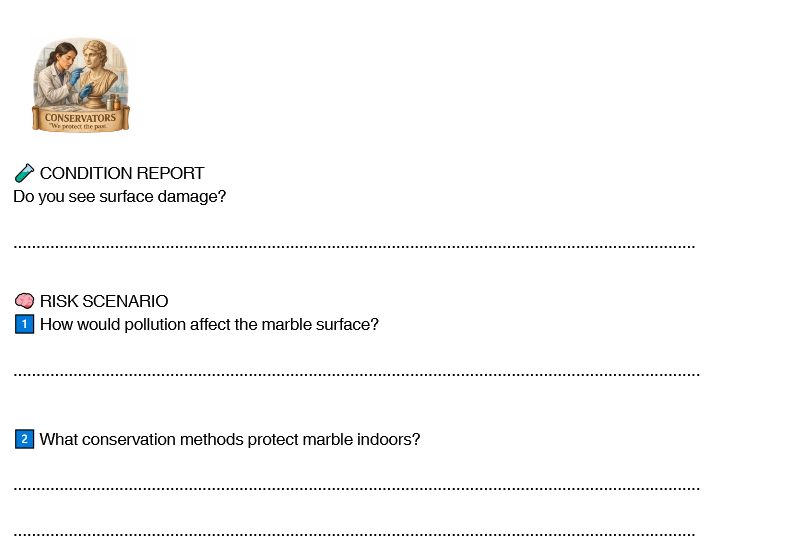
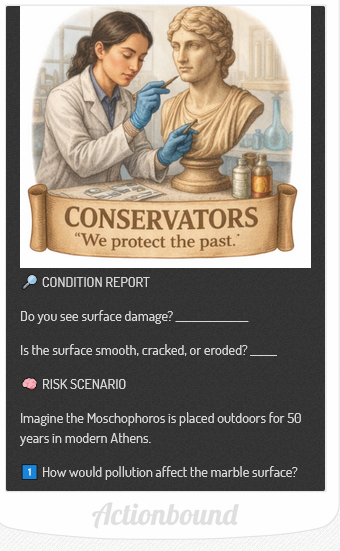
🛠 Conservators 
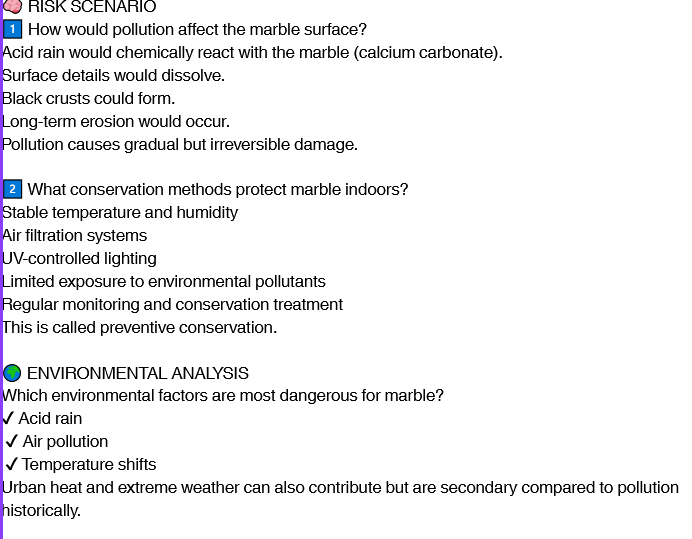
They studied how materials age and how artifacts can be protected through restoration techniques, climate control and careful handling.
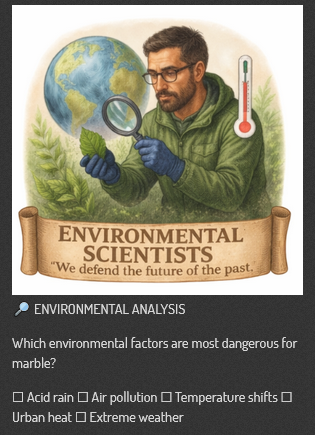
🌍 Environmental Scientists 
Their task was to analyze environmental risks such as pollution, humidity, temperature changes and climate crisis and propose sustainable solutions.
🎮 The Museum as a Learning Space
Each gallery of the museum functioned as a mission station where teams had to:
- carefully observe statues and artifacts
- collect information and take notes
- take photographs (apart from Floor 1 where it is forbidden)
- answer short questions and quizzes
- analyze the risks threatening cultural heritage
At the end of each mission, teams gathered together with the guidance of Mrs. Politi, the activity coordinator, to discuss their findings and reflect on how different scientific fields cooperate to protect cultural heritage.
🗺 Mission Stations of the Game
Station 1 – Gallery of the Slopes
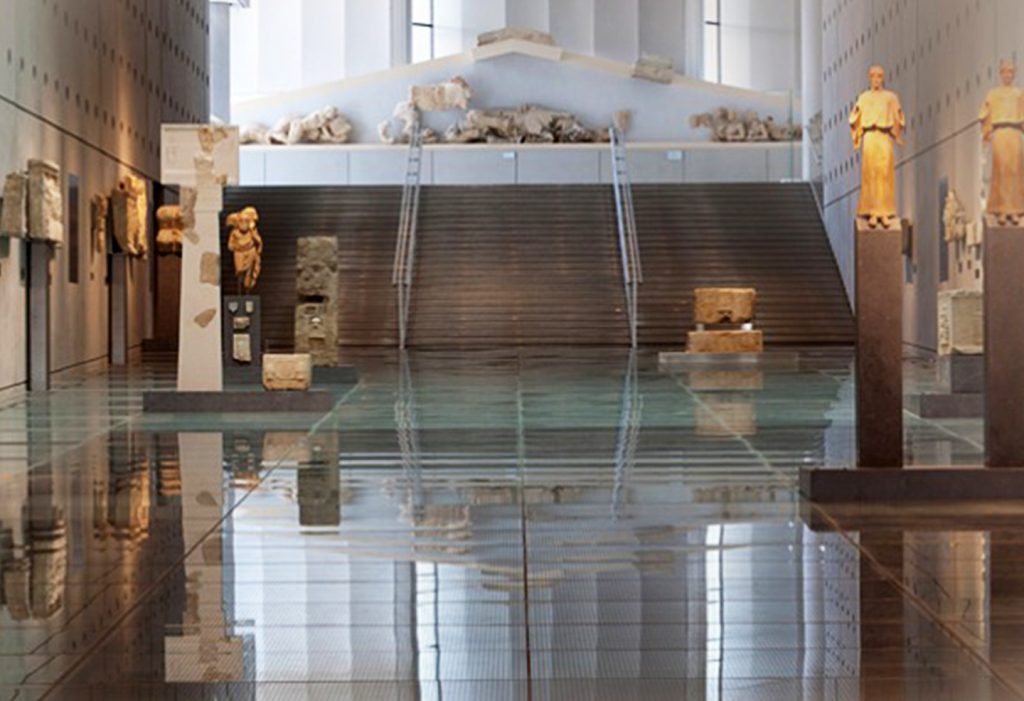
Students explored artifacts related to daily life on the slopes of the Acropolis and discussed the environmental risks these objects face today.
Mission Objective:
To understand life around the Acropolis and identify threats to the preservation of these artifacts.
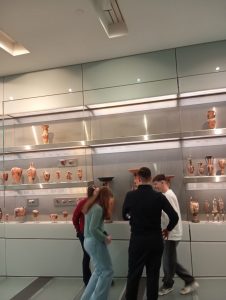
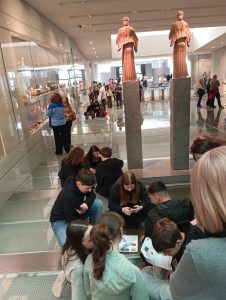
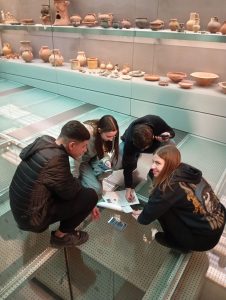
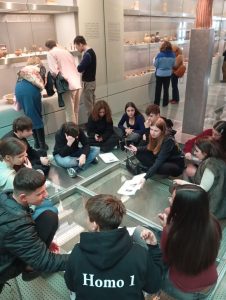
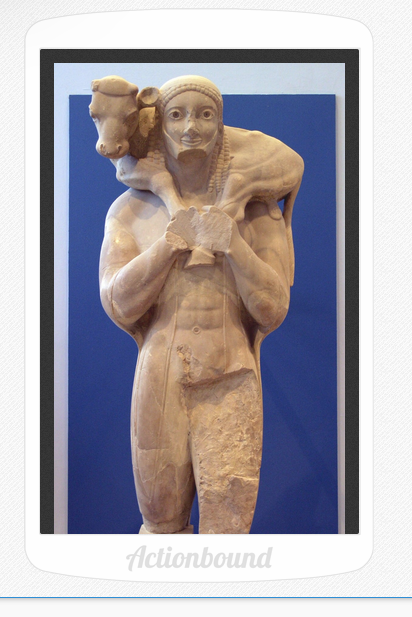
Station 2 – Archaic Gallery
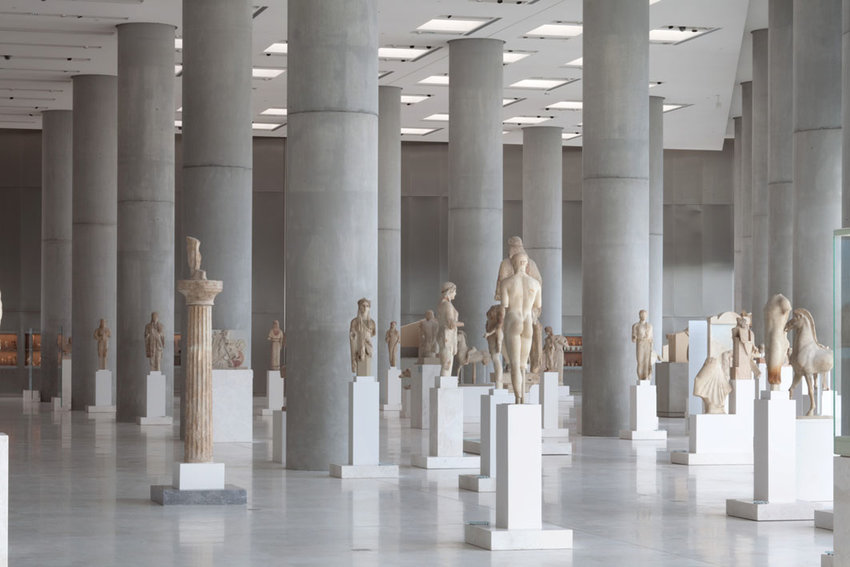
In this gallery students investigated statues that have survived for more than 2,500 years.
Mission Objective:
- understand what the statues represent
- explore what threatens them
- discover how they have survived through centuries
Students collected information and completed a quiz based on their observations.
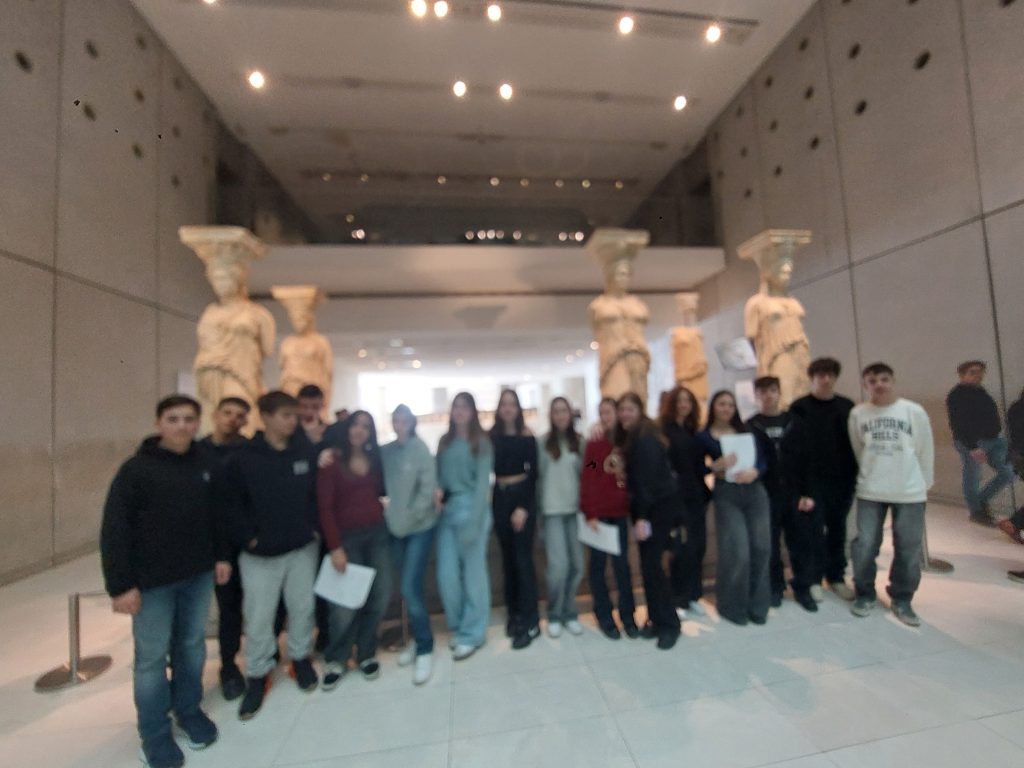
Station 3 – The Caryatids Room
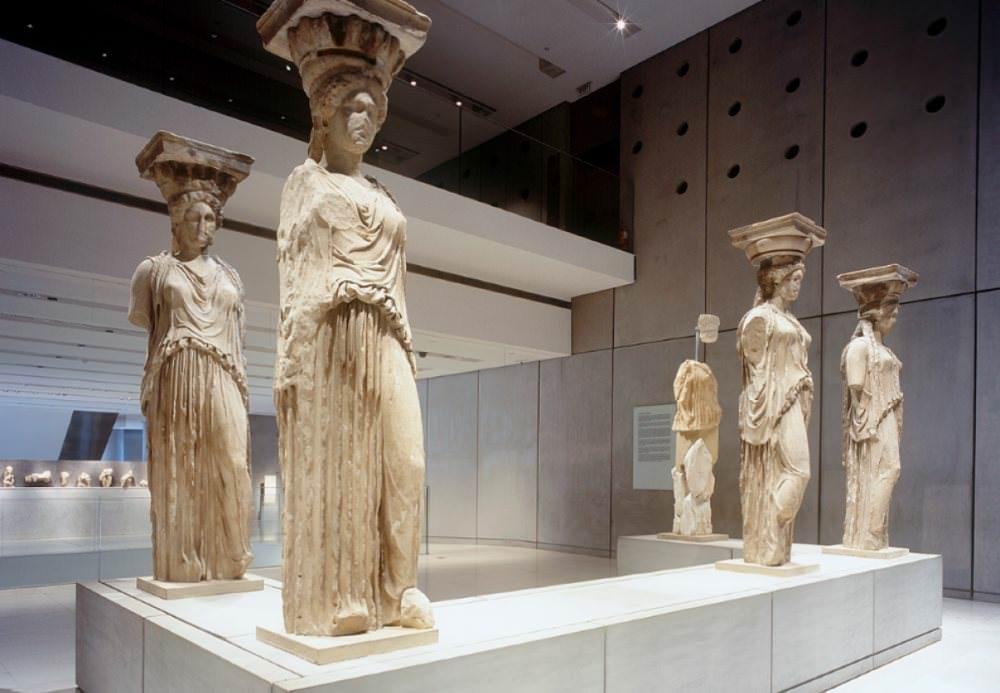
Students explored the story of the famous Caryatids of the Erechtheion.
Through videos and observation activities they learned about:
- the missing Caryatid, which is currently in the British Museum
- modern laser restoration techniques used to clean and protect the statues
Students also participated in a poll, discussing whether the missing Caryatid should return to Greece.
CARYATIDS - THE WOMEN WHO HOLD UP THE WORLD, watch here.
Conserving the Caryatids Erectheon Acropolis Athens Greece, watch here.
The escape and reunification of the Athenian caryatid held hostage in London (Greek City Times, watch here.
Station 4 – Parthenon Gallery
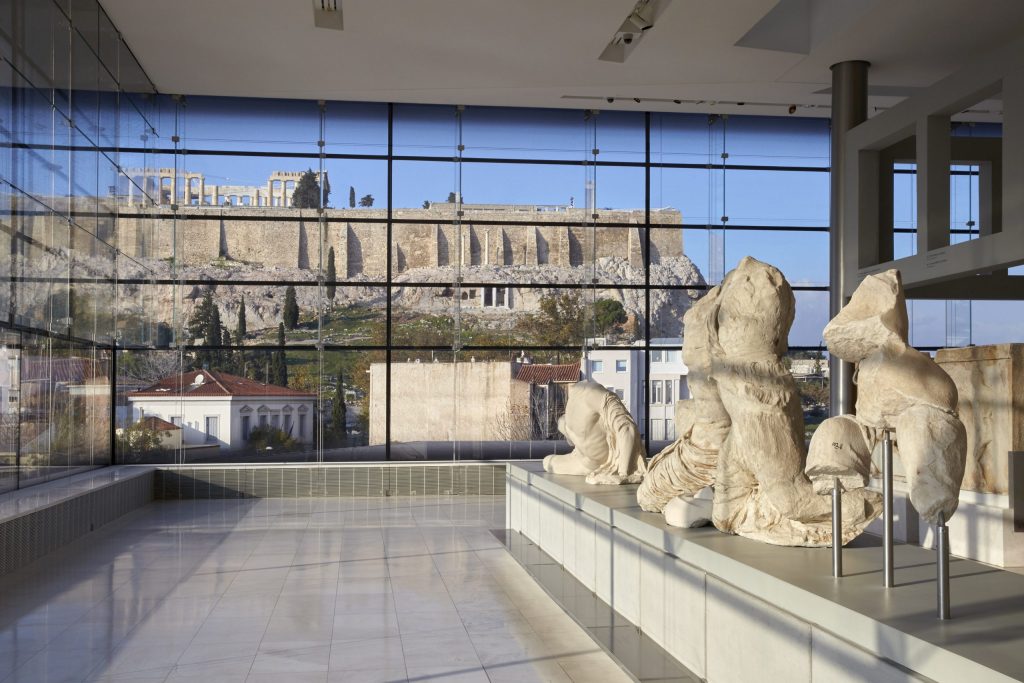
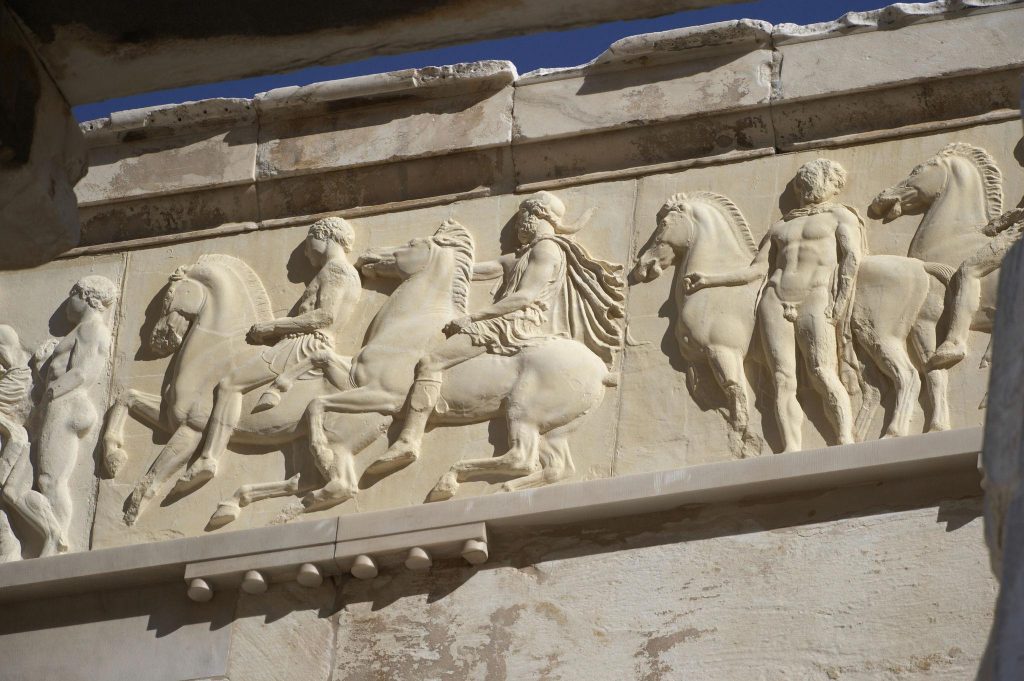
In the final station, students explored the Parthenon Gallery, where they studied the sculptures of the Parthenon.
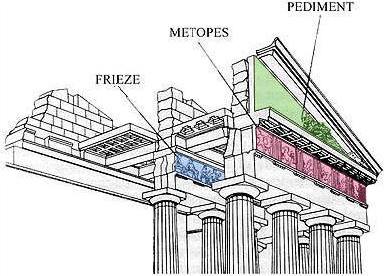
They observed that the gallery is perfectly aligned with the actual Parthenon temple on the Acropolis, allowing visitors to understand how the sculptures originally appeared. Students examined the different parts of the temple and documented their observations with photographs.
🌍 Reflection and Collaboration
At the end of the activity, students gathered to share their discoveries and reflect on an important question:
How can different professions work together to protect cultural heritage from environmental threats?
Through collaboration and discussion, students realized that archaeologists, historians, conservators and environmental scientists must cooperate in order to safeguard cultural heritage for future generations.
The first day of the mobility successfully combined history, environmental awareness and digital learning, giving students a deeper understanding of how culture and sustainability are closely connected.
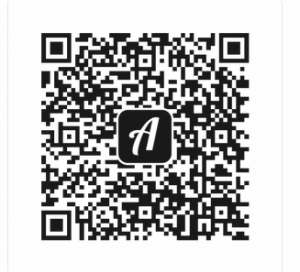
To access the game, download ActionBound app at Google Play here and at Apple store here.
And scan the game QR