


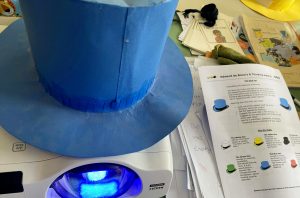
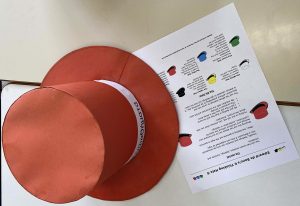
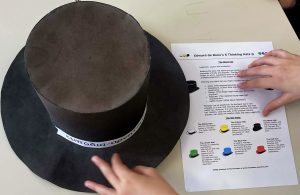
Παρουσίαση του προγράμματος Αγωγής Υγείας με τίτλο: «Τα έξι καπέλα της σκέψης του Edward de Bono»
Ύστερα από αρκετούς μήνες (από αναβολή λόγω καύσωνα), ολοκληρώσαμε το πρόγραμμα με το Α3, Β1 πλέον, τμήμα του σχολείου μας με την συνδρομή και υποστήριξη του Δρ Νικόλαου Μάνεση, Ε.ΔΙ.Π., στο τμήμα Επιστημών της Εκπαίδευσης & Κοινωνικής Εργασίας του Πανεπιστημίου Πατρών που πλαισίωσε με τον πλέον δημιουργικό τρόπο την προσπάθειά μας! Στην ημέρα επικοινωνίας με τους γονείς, παρευρέθηκε και η Σύμβουλος Εκπαίδευσης 3ης Θέσης Δασκάλων Αχαΐας, Δρ. Αικατερίνη Νικολακοπούλου και την ευχαριστούμε πολύ που κατάφερε παρά τις υποχρεώσεις της και παρευρέθηκε στην παρουσίαση του έργου μας!
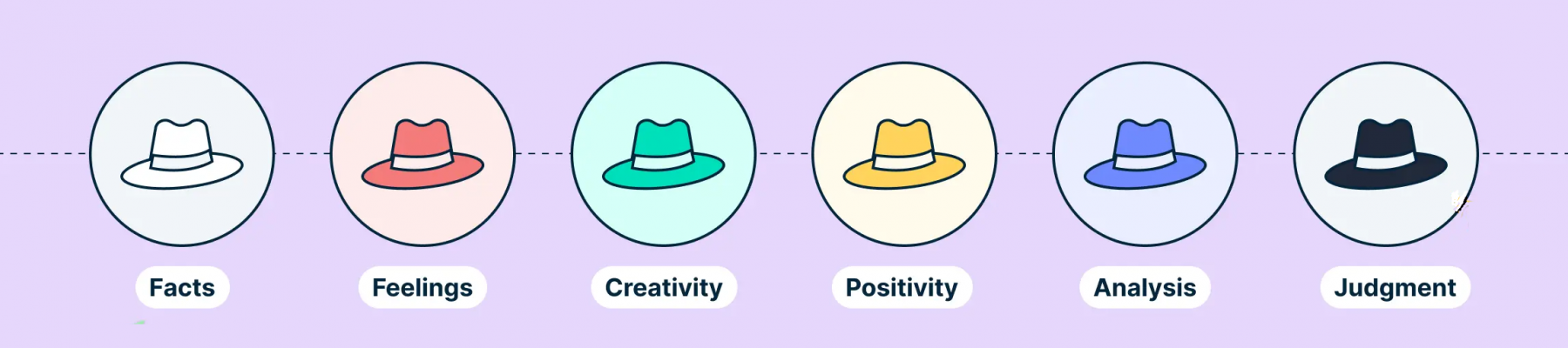
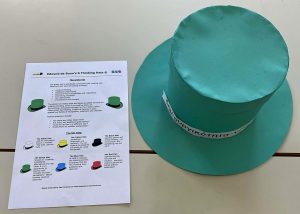
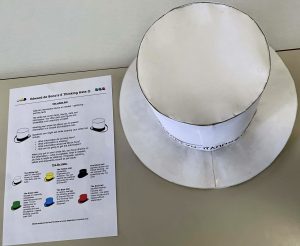
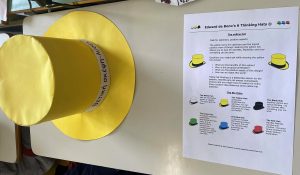
Με το πρόγραμμα τα έξι καπέλα της σκέψης, προσεγγίσαμε την ιστορία «Μια σκούπα, μα τι σκούπα» προσπαθώντας να καταλάβουμε την δύναμη της ομάδας απέναντι στους οποιουσδήποτε κινδύνους. Κάθε καπέλο μας έδωσε τη δυνατότητα να δούμε μια διαφορετική πλευρά της πραγματικότητας. Έτσι με το γαλάζιο καπέλο αποκτήσαμε τον έλεγχο της διαδικασίας, με το κίτρινο καπέλο βρήκαμε νέες λύσεις, με το πράσινο καπέλο γίναμε δημιουργικοί/δημιουργικές, με το μαύρο καπέλο εντοπίσαμε πιθανά εμπόδια και γίναμε επιφυλακτικοί/επιφυλακτικές, με το κόκκινο καπέλο εκφράσουμε τα συναισθήματά μας γι’ αυτό που ζούμε και με το λευκό καπέλο συγκεντρώσαμε όλες τις πληροφορίες και τα γεγονότα της ιστορίας μας… Καταλάβαμε ότι η σκέψη μπορεί να είναι απλή και διασκεδαστική και τόσο μα τόσο αποτελεσματική! Ακολουθώντας ένα καπέλο τη φορά κατανοήσαμε την πολύπλευρη πραγματικότητά της ιστορίας μας!
Έτσι, η αίθουσα αγγλικών του 15ου Δημοτικού Σχολείου Πατρών, γέμισε φωνές, συναισθήματα, πολύχρωμα καπέλα, τραγούδια και μια δραστηριότητα που μας πασπάλισε με πολύχρωμη ζάχαρη και μας γλύκανε με την βοήθεια της κ. Μαρίας Ζαχαροπούλου!!!
Είχαμε την ευκαιρία να μοιραστούμε τη δράση μας της χρονιάς που πέρασε με τους γονείς και κηδεμόνες του τμήματος και τον σύλλογο γονέων, να ανταλλάξουμε απόψεις και να μοιραστούμε σκέψεις μαζί τους! Η δασκάλα της τάξης, κ. Βασιλική Μάνεση, αλλά και όλοι οι υπόλοιποι εκπαιδευτικοί που συνεργαστήκαμε μεταξύ μας: η κ. Αικατερίνη Γάκα, η κ. Ανδριανή Σιδέρη και ο κ. Θωμάς Μπουλιέρης, ευχαριστούμε ειλικρινά όλες κι όλους που κατάφεραν να είναι παρόντες και παρούσες και να επικοινωνήσουμε την προσπάθεια των παιδιών της τάξης!
Ανανεώσαμε το ραντεβού μας και φυσικά κλείσαμε την όμορφη εκδήλωσή μας καταγράφοντας τις σκέψεις των γονιών και σφραγίσαμε την συμφωνία μας με ΠΑΡΤΥ!!!!
Με το πρόγραμμα τα έξι καπέλα της σκέψης, προσεγγίσαμε την ιστορία «Μια σκούπα, μα τι σκούπα» προσπαθώντας να καταλάβουμε την δύναμη της ομάδας απέναντι στους οποιουσδήποτε κινδύνους. Κάθε καπέλο μας έδωσε τη δυνατότητα να δούμε μια διαφορετική πλευρά της πραγματικότητας. Έτσι με το γαλάζιο καπέλο αποκτήσαμε τον έλεγχο της διαδικασίας, με το κίτρινο καπέλο βρήκαμε νέες λύσεις, με το πράσινο καπέλο γίναμε δημιουργικοί/δημιουργικές, με το μαύρο καπέλο εντοπίσαμε πιθανά εμπόδια και γίναμε επιφυλακτικοί/επιφυλακτικές, με το κόκκινο καπέλο εκφράσουμε τα συναισθήματά μας γι’ αυτό που ζούμε και με το λευκό καπέλο συγκεντρώσαμε όλες τις πληροφορίες και τα γεγονότα της ιστορίας μας… Καταλάβαμε ότι η σκέψη μπορεί να είναι απλή και διασκεδαστική και τόσο μα τόσο αποτελεσματική! Ακολουθώντας ένα καπέλο τη φορά κατανοήσαμε την πολύπλευρη πραγματικότητά της ιστορίας μας!
Έτσι, η αίθουσα αγγλικών του 15ου Δημοτικού Σχολείου Πατρών, γέμισε φωνές, συναισθήματα, πολύχρωμα καπέλα, τραγούδια και μια δραστηριότητα που μας πασπάλισε με πολύχρωμη ζάχαρη και μας γλύκανε με την βοήθεια της κ. Μαρίας Ζαχαροπούλου!!!
Είχαμε την ευκαιρία να μοιραστούμε τη δράση μας της χρονιάς που πέρασε με τους γονείς και κηδεμόνες του τμήματος και τον σύλλογο γονέων, να ανταλλάξουμε απόψεις και να μοιραστούμε σκέψεις μαζί τους! Η δασκάλα της τάξης, κ. Βασιλική Μάνεση, αλλά και όλοι οι υπόλοιποι εκπαιδευτικοί που συνεργαστήκαμε μεταξύ μας: η κ. Αικατερίνη Γάκα, η κ. Ανδριανή Σιδέρη και ο κ. Θωμάς Μπουλιέρης, ευχαριστούμε ειλικρινά όλες κι όλους που κατάφεραν να είναι παρόντες και παρούσες και να επικοινωνήσουμε την προσπάθεια των παιδιών της τάξης!
Ανανεώσαμε το ραντεβού μας και φυσικά κλείσαμε την όμορφη εκδήλωσή μας καταγράφοντας τις σκέψεις των γονιών και σφραγίσαμε την συμφωνία μας με ΠΑΡΤΥ!!!!
Η δράση μας
 |
 |
 |
 |
 |
 |

Το βάζο των συναισθημάτων με την κ. Μαρία Ζαχαροπούλου
 |
 |
 |
 |
 |
 |
 |
 |
 |
 |
 |
 |
 |
 |
 |

Συναισθήματα των παιδιών και των γονιών που καταγράφηκαν
 |
 |
Και φυσικά το πάρτι μας ❤️(πεινάσαμε κιόλας μετά από τόση δουλειά!)

Το ημερολόγιο της δράσης μας
Και η ιστορία "Ο Τέλης και το πατίνι" που δημιούργησαν τα παιδιά με την κ. Ανδριανή Σιδέρη
Τα καπέλα της σκέψης του de Bono πάνε πανεπιστήμιο!
Σήμερα, Πέμπτη 08 Μαΐου, το τμήμα Β1' του σχολείου μας παρέα με την δασκάλα μας κ. Βασιλική Μάνεση και τον κ. Θωμά Μπουλιέρη, ανεβήκαμε σε ένα ολοκαίνουριο λεωφορείο και βρεθήκαμε στο πανεπιστήμιο! Μας δόθηκε η ευκαιρία να επισκεφτούμε το κτίριο του Τμήματος Επιστημών της Εκπαίδευσης και Κοινωνικής Εργασίας στην πανεπιστημιούπολη Πατρών! Είδαμε τις αίθουσες διδασκαλίας, τα εργαστήρια και τα γραφεία που στεγάζονται στο κτίριο! Είδαμε και τις ετοιμασίες για τις φοιτητικές εκλογές! Αλήθεια: το ξέρατε ότι όπως εμείς πάμε και ψηφίζουμε στις βουλευτικές εκλογές στα χωριά μας, οι φοιτήτριες και οι φοιτητές ψηφίζουν για τους αντιπροσώπους τους στις σχολές τους;
 |
 |
 |
 |
 |
 |
Κι αφού γυρίσαμε και γνωρίσαμε το κτίριο, συναντήσαμε έξω από την αίθουσα Τ12, τον κ. Μάνεση Νικόλαο, που είχε την καλοσύνη και την ευγένεια να μας καλέσει να παρακολουθήσουμε ένα μάθημα του 4ου εξαμήνου "Εφαρμογές των αρχών μάθησης. Η Αποτελεσματική Διδασκαλία" παρέα με τους φοιτητές και τις φοιτήτριες του! Τι έκπληξη που μας περίμεναν και οι γονείς και παππούδες και γιαγιάδες μέσα στην αίθουσα! και το μάθημα άρχισε: "με αφορμή τα καπέλα σκέψης του De Bono (πέρυσι με την μαγική μας σκούπα, φέτος με τους μύθους του Αισώπου), παρουσιάσαμε δρώμενα τόσο ψηφιακά, όσο και ζωντανά για τα συναισθήματα και το σχολικό κλίμα της τάξης, "συζητώντας" με τους/τις φοιτητές/φοιτήτριες για τον ρόλο του/της εκπαιδευτικού".
 |
 |
 |
 |
 |
 |
 |
 |
 |
 |
 |
 |
 |
 |
 |
Περάσαμε υπέροχα, κι αφού ευχαριστήσαμε για άλλη μια φορά τον κ. Μάνεση, ανανεώσαμε το ραντεβού στο τμήμα για να γνωρίσουμε καλύτερα τους φοιτητές και τις φοιτήτριες και να επισκεφτούμε το μουσείο σχολικής ζωής & εκπαίδευσης αλλά και την βιβλιοθήκη του τμήματος!
 |
 |
 |
 |
 |
 |
